90-degree alcohol intended for the production of liqueurs is a food-grade ethyl alcohol, distinct from denatured alcohol sold for disinfection. This difference in nature affects the purchasing circuit, the price, and the applicable tax framework. Confusing the two products exposes one to improper preparations for consumption or a customs violation.
Food-grade alcohol and denatured alcohol: a confusion that changes everything
Denatured alcohol contains additives (camphor, methyl ethyl ketone, or bitrex) that make it unfit for drinking. It is sold in pharmacies or drugstores for technical use: cleaning, surface disinfection, equipment maintenance. Its price per liter remains low because it is exempt from excise duties on alcoholic beverages.
Food-grade alcohol at 90 degrees, on the other hand, contains no denaturants. It can come into contact with food, macerate with fruits, and serve as a base for a liqueur or ratafia. Its cost is significantly higher because it is subject to the taxes applied to spirits.
Using denatured alcohol to prepare a liqueur is dangerous for health. Denaturants do not evaporate during maceration and render the drink toxic. Before any purchase of 90-degree alcohol for liqueur, checking for the mention “food-grade alcohol” or “fruit alcohol” on the label should be the first reflex to adopt.
Where to buy food-grade 90-degree alcohol in France
Pharmacies have long been the usual point of sale. This channel has largely dried up. The Order of Pharmacists reminds that the sale of alcohol in pharmacies is regulated and falls under a specific circuit, with its own rules for possession and dispensing. In practice, most pharmacies have stopped offering food-grade alcohol to avoid customs complications related to their status as exempt users of excise duties.
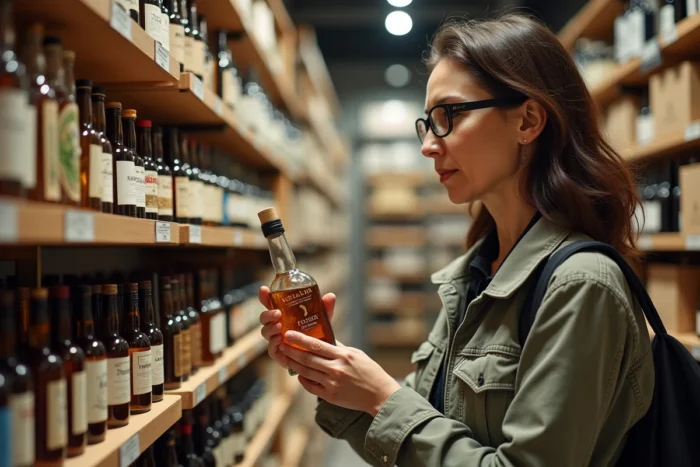
The main channel has shifted to specialized spirits distributors and the “fruit alcohol” sections of large supermarkets. Bottles of food-grade alcohol at 90 degrees can be found in major retail chains, usually in the wine and spirits section, near the brandies.
Specialized players in the liqueurs and spirits sector also offer references suitable for maceration and homemade preparation. This shift towards dedicated distribution channels provides clearer traceability than the former pharmacy route.
Criteria for identifying a compliant product
- The label states “agricultural origin ethyl alcohol” or “fruit alcohol,” without reference to a denaturant
- The displayed degree is 90% vol. or higher, with a lot number and an identifiable producer or bottler’s name
- The product is subject to excise duties, which translates to a price significantly higher than that of denatured alcohol of the same volume
Excise duties and customs framework for domestic use
Customs clearly distinguishes between domestic use and professional manufacturing use. Buying a bottle of food-grade alcohol in a supermarket to prepare a liqueur at home is legal: the consumer pays the excise duties included in the sale price. No specific declaration is required for this personal use.
The situation changes if one seeks to acquire alcohol exempt from duties, as pharmacies did. This exemption is reserved for professionals registered with customs (distillers, laboratories, pharmacists under user status). An individual cannot benefit from it.
Importing alcohol from abroad
Bringing back strong alcohol from a country in the European Union is allowed up to ten liters per person for spirits over 22 degrees. From a non-EU country, the allowances are more restrictive. These thresholds apply per person and per trip, and the quantities are cumulative by category of alcohol.
Buying 90-degree alcohol in another European country to bring back to France is therefore possible, provided these limits are respected. Beyond that, customs duties and additional taxes apply.
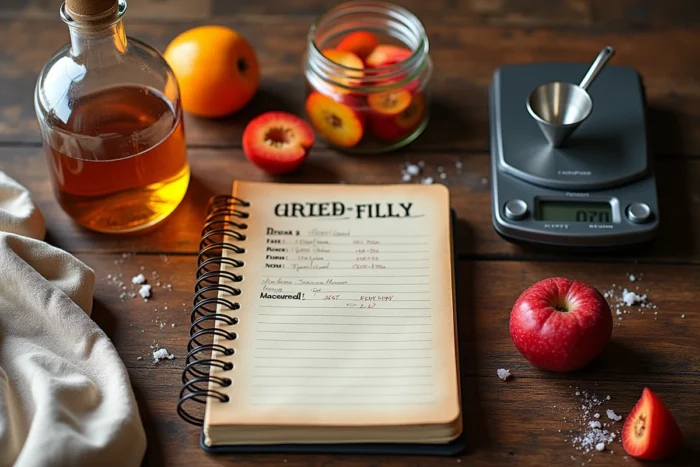
Maceration of homemade liqueurs: practical rules to know
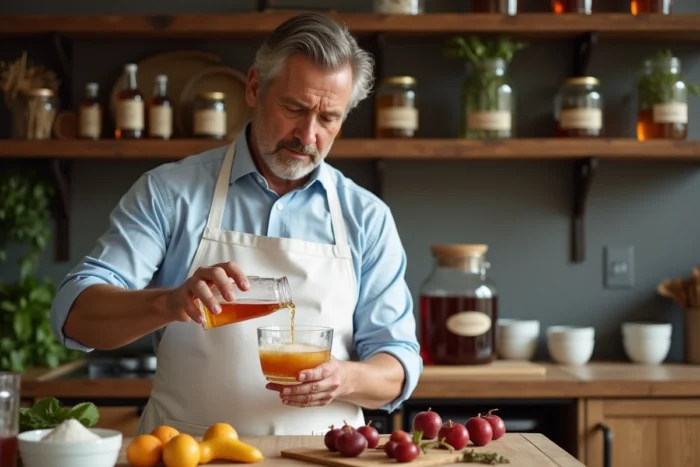
Making a liqueur by macerating fruits in food-grade alcohol is allowed for personal use. This is not distillation: no still is involved, so no distiller’s status is required.
Macerating fruits takes several weeks to properly extract the flavors and sugars. Aromatic plants require a shorter duration. The ratio between the amount of fruit and the volume of alcohol, as well as any addition of sugar syrup, determines the final degree of the liqueur.
What is prohibited
- Distilling alcohol without authorization: distillation remains regulated and subject to declaration with customs, even for small quantities
- Selling homemade liqueur without complying with regulations on alcoholic beverages: labeling, excise duties, sales license
- Offering alcoholic beverages to minors, including homemade preparations, in accordance with current law in France
The legal framework for the domestic production of liqueurs boils down to two conditions: using food-grade alcohol on which taxes have been paid, and not reselling the finished product. Outside of these limits, customs and public health regulations take precedence.