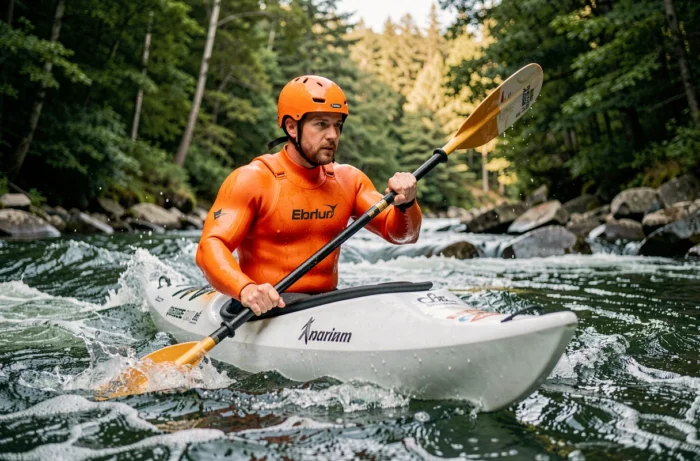
Between the kayak that fits in a bag, the inflatable paddleboard that can be transported by bus, and the kitesurfing that requires a trailer, a lesson, and three hours of setup, water sports are not equal at all in terms of logistics. Comparing these disciplines in terms of the required equipment, learning time, and geographical accessibility allows for a quick sorting of those that offer a real adventure without turning every outing into an expedition.
Logistics and Learning: Comparative Table of Accessible Water Sports
The table below crosses three criteria that are rarely compared side by side: the volume of equipment to transport, the number of sessions before enjoying it, and the possibility of practicing in freshwater (lake, river, canal) as well as in the sea.
| Discipline | Equipment to Transport | Sessions Before Autonomy | Freshwater Possible |
|---|---|---|---|
| Stand Up Paddle | Inflatable board, paddle, pump (a backpack) | One to two outings | Yes |
| Recreational Kayaking | Inflatable or rigid kayak, paddle, life jacket | One to three outings | Yes |
| Snorkeling / Swimming with Fins | Mask, snorkel, fins (a small bag) | No training required | Limited (clear lakes, rivers) |
| Surfing | Rigid or foam board, wetsuit | Five to ten sessions | No (except for artificial waves) |
| Kitesurfing | Wing, bar, harness, board, wetsuit | Ten sessions and more | Yes (large windy bodies of water) |
| Wingfoil | Wing, foil, board, wetsuit | Eight sessions and more | Yes |
| Towed Buoy | None (provided by the service provider) | None | Yes |
The paddle and inflatable kayak stand out clearly: compact equipment, quick autonomy, usable everywhere. Snorkeling surpasses them in lightness, but its adventure potential remains limited to coastal underwater exploration.
Surfing and kitesurfing occupy the other end. Their long learning curve and dependence on conditions (waves, wind) make them engaging disciplines, but difficult to combine with an impromptu outing on a Sunday morning. The available equipment catalogs on h2osport.fr allow for a concrete measurement of the volume difference between a paddle pack and a kitesurf pack.
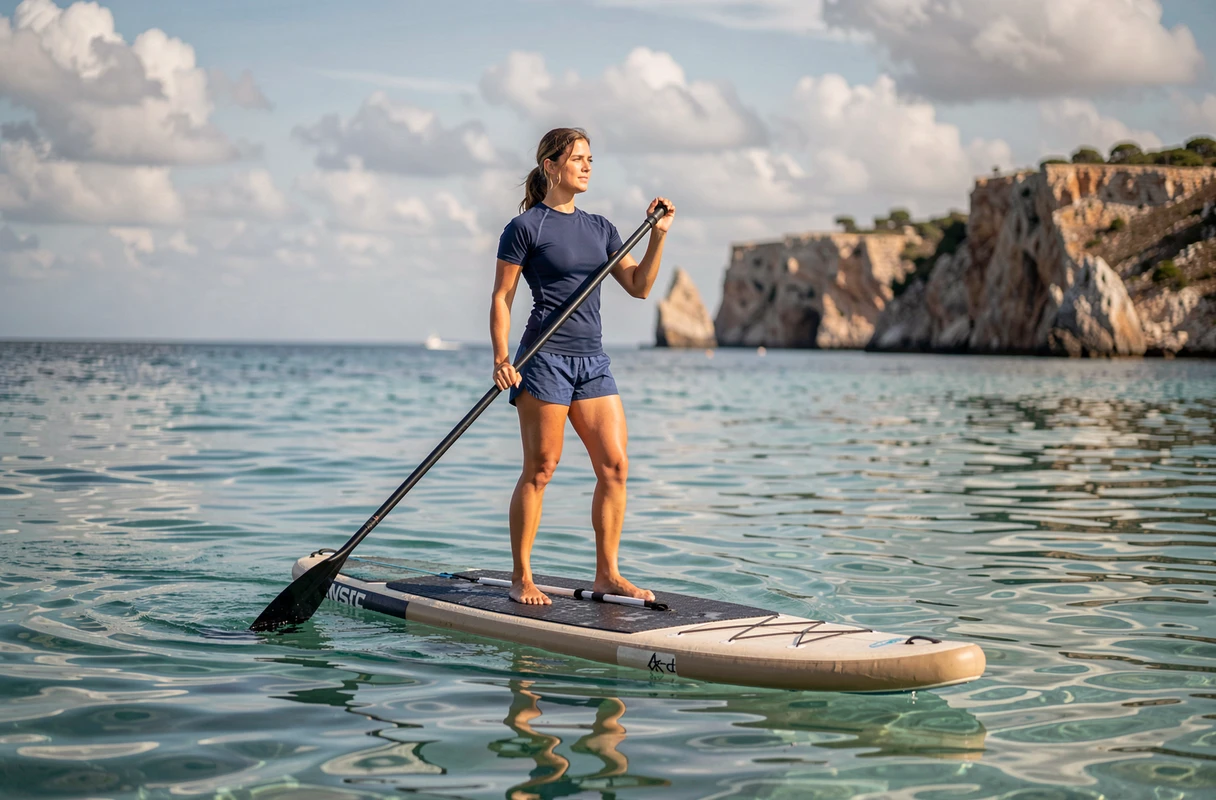
Freshwater Water Sports: The Underestimated Alternative to the Coast
Lakes, rivers, and canals provide perfectly suited playgrounds for several disciplines, eliminating two major constraints: the journey to the coast and dependence on the tide.
Paddle and Kayak on Calm Lake or River
A lake without current offers more stable conditions than a windy coastline. For a beginner, flat water reduces the risk of falling and accelerates progress. Municipal water sports centers often offer rentals by the half-day, which eliminates the storage problem.
On calm rivers (class I to II), recreational kayaking adds an exploration dimension absent from paddleboarding at sea. You can follow cliffs, pass under bridges, and land on banks inaccessible on foot. The logistics remain minimal: an inflatable kayak fits in the trunk of a small car.
Urban Water Activities on the Rise
Several French cities have developed water leisure offerings on their waterways. Paris, Lyon, and other urban areas now offer paddleboarding, kayaking, or electric boat outings without a license directly in urban areas. Practicing a water sport no longer requires going on vacation.
Family Water Adventure: Realistic Choice Criteria
The segment of family water activities is experiencing a surge in editorial interest. Giant paddleboards, banana boats, towed buoys: these shared formats are appealing because they require no prior skills. Their limit lies in the depth of the experience.
For a family outing that goes beyond simple entertainment, three criteria should be weighed before choosing:
- The actual minimum age for the activity, often different from the age displayed by the provider (a six-year-old on a giant paddleboard participates less than they are subjected to)
- The duration of engagement: a towed buoy lasts a few minutes, a kayaking trip can take up a whole half-day with a picnic on the bank
- The degree of autonomy of the participants, as an activity where everyone paddles creates more memories than an activity where one is a passenger
The two-person kayak (one adult, one child) and kneeling paddleboarding check all three boxes. The towed buoy and banana boat offer immediate sensations, but their passive format limits the adventure aspect.
Surfing, Kitesurfing, Wingfoiling: When Technical Investment is Worth It
Excluding demanding disciplines would be reductive. Surfing remains one of the most sought-after water sports, and wingfoiling is attracting a growing community. The question is not whether these sports are good, but understanding what they require before providing enjoyment.
Surfing requires regular access to waves suitable for the practitioner’s level. Living more than an hour from a spot makes progress very slow. Surf schools on the Atlantic or Mediterranean coast offer initiation courses, but moving from the course to independent surfing requires several dozen sessions spread over one or two seasons.
Wingfoiling combines the constraints of kitesurfing (steady wind, clear water) and those of foiling (technical balance). However, once the threshold is crossed, the sensation of gliding above the water is unmatched in other disciplines on the table. It is a long-term investment that leads to a radically different experience.
The Real Divide Between Water Disciplines
The dividing line does not run between “easy sports” and “difficult sports.” It separates activities that can be practiced with light logistics and broad geographical access from those that require significant material, spatial, and temporal commitment.
- Paddle, kayak, snorkeling: practicable from the first outing, easily transportable, suitable for both sea and lakes
- Surfing, kitesurfing, wingfoiling: long learning curve, bulky equipment, dependence on weather conditions and the spot
- Towed buoy, banana boat: zero personal logistics, but passive and occasional experience
Choosing a water sport comes down to balancing immediate pleasure and depth of practice. Paddleboarding offers the best compromise for those who want to go out often without constraints. Surfing or wingfoiling rewards those who accept months of learning with sensations otherwise inaccessible. There is nothing to prevent combining both in the same summer: paddleboarding during the week for immediate pleasure, surfing sessions on the weekend to progress over time.