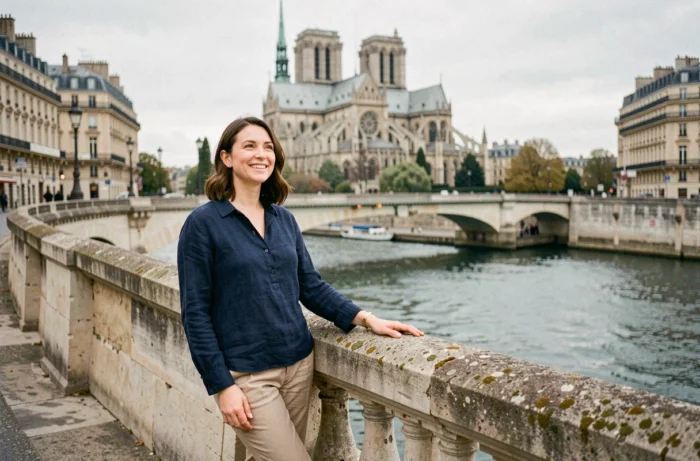
France concentrates a diversity of landscapes, climates, and heritage within a relatively compact territory, allowing one to transition in just a few hours from a hike in the foothills to a tasting in a century-old vineyard. Planning the best activities during a trip to France requires understanding how visitor numbers evolve, which practices are gaining traction, and where the access constraints are that traditional guides rarely mention.
Cycling tourism and hiking in France: two rapidly growing practices
The Ministry of Tourism noted an increase in cycling tourism participants of about ten percent in 2025, according to a speech by Serge Papin published on Vie publique in September 2026. This growth is not limited to major marked bike routes; it also affects local loops of a few dozen kilometers, accessible without special training.
Hiking follows the same trend. The foothill trails attract an audience looking to avoid the summer heat of the Mediterranean coast. The Northern Alps recorded an increase in visitor numbers in August 2026, partly linked to this climate and budget shift reported by Le Monde.
To identify activities for 1, 2, 3 … travel! suited to each region, it is better to cross-reference the type of terrain with the intended season rather than relying solely on popularity rankings.
Wine tourism and craftsmanship tourism: activities that go beyond simple visits
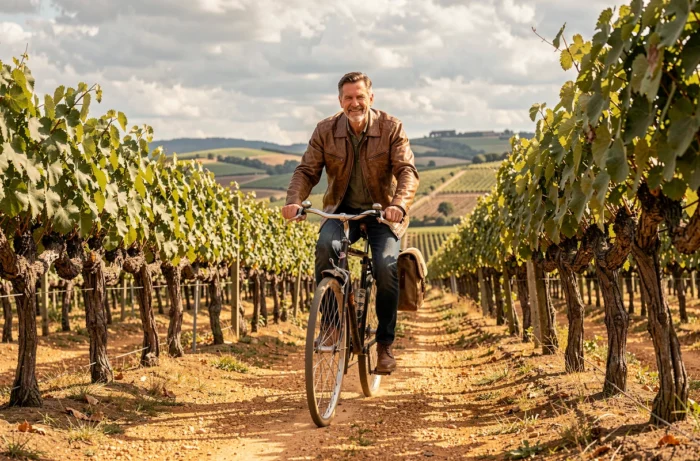
Wine tourism is not just about tasting wine in a cellar. In France, this practice includes blending workshops, walks through the vineyards with explanations of grape varieties, and food and wine pairing meals at the winemaker’s place. Craftsmanship tourism, which also includes spirit tourism (distilleries, craft breweries), is among the developing segments identified by Serge Papin in his September 2026 report.
What distinguishes these experiences from a classic tourist visit is the participatory dimension. Blending your own wine, pruning a vine, or understanding a distillation process creates a more lasting memory than a photo in front of a castle.
Regions to prioritize according to the type of experience
- The vineyards of Burgundy and Bordeaux offer blending workshops open to beginners, often by reservation outside of peak season.
- Provence combines wine tourism and lavender fields, allowing for two activities in one day without multiplying trips.
- Brittany and Normandy are developing spirit tourism around cider, calvados, and craft breweries, with shorter and less crowded circuits.
Seasonality and access constraints: planning at the right time
Atout France notes in its September 2026 report that stays are shifting towards June and September, reducing the concentration in July-August. This shift significantly alters the availability of accommodations and the level of comfort at natural sites.
Some natural experiences now require prior reservations or are subject to limits. The Calanques of Marseille, for example, restrict access during the summer period. Ignoring these constraints can turn a long-planned day into a wait or a denial of entry.
Balancing budget and attendance
Traveling in June or September not only reduces crowds. Accommodation prices drop significantly outside of July-August in most regions. The foothills offer the best value for families looking for outdoor activities without the beach resort budget.
Le Monde also reports a decline in French departures to medium- and long-haul destinations in 2026, in favor of stays within France. This trend increases pressure on the most well-known sites, further advocating for targeting less publicized territories.
UNESCO heritage and cultural sites in France: beyond the must-sees
France is among the countries best endowed with sites listed as World Heritage. The reflex is to aim for Mont-Saint-Michel or the Palace of Versailles, but the visitor numbers are such that the actual experience often differs from the projected image.
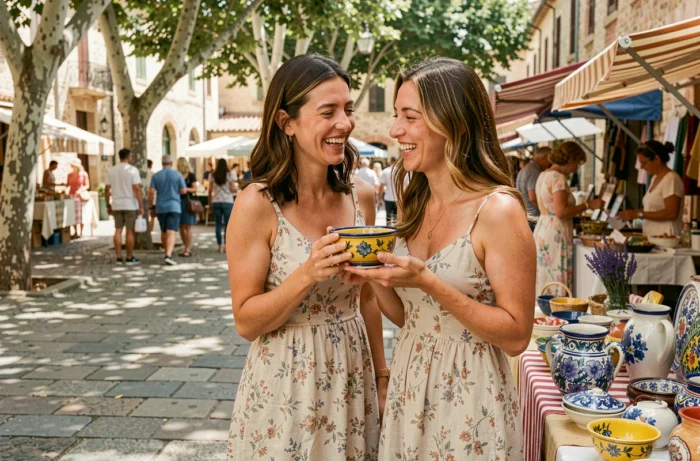
Less crowded heritage sites offer a superior quality of visit. The classified villages of Burgundy or Occitanie, the Cistercian abbeys, and the bastides of the Southwest allow for the discovery of medieval architecture without limits or waiting times.
- Prioritizing regional heritage sites over the ten most visited monuments reduces time lost in logistics and increases actual discovery time.
- Checking off-season opening hours remains necessary: some cultural sites reduce their hours outside of July-August.
- The European Heritage Days (third weekend of September) open places usually closed to the public for free, making it a unique visiting opportunity.
Choosing activities in France is less about ticking off a list of monuments than about cross-referencing the season, territory, and type of experience sought. A stay in Brittany focused on spirit tourism in September or a week of cycling tourism in the Northern Alps in June will create clearer memories than a guided tour between three crowded sites in the middle of August.