The fashion trends of this season are structured around pieces with a strong visual identity. Rather than following blurred atmospheres, the unique style in 2026 is characterized by clear choices of textures, silhouettes, and colors. Three main axes emerge: material as a marker of personality, monochrome reimagined in a saturated version, and the return of sculptural accessories that redefine an entire outfit.
Textures and fur details: style is felt through touch
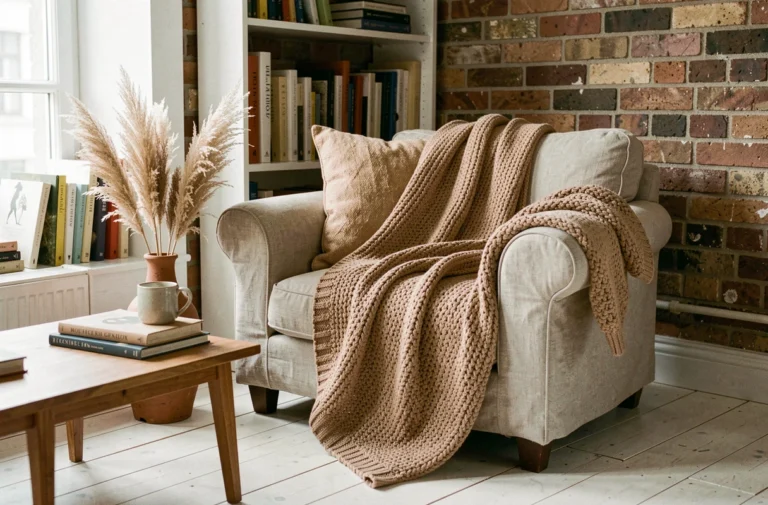
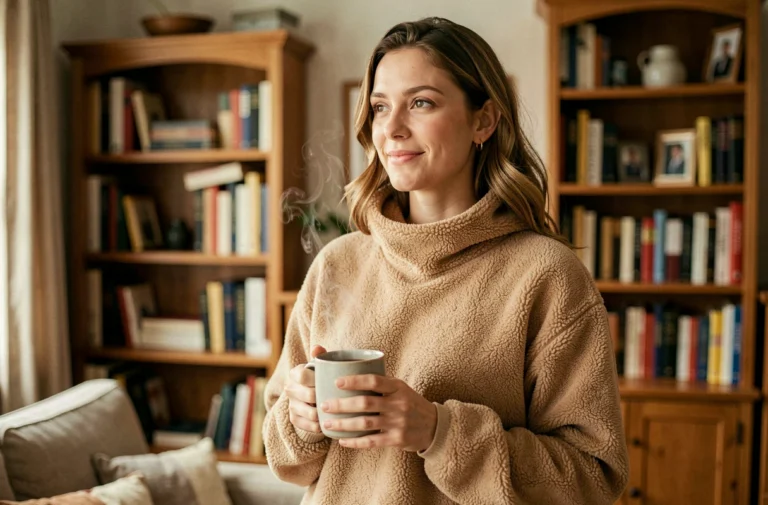
The most distinctive trend of the season isn’t always visible from a distance in photos. It is perceived in the construction and finishing of the pieces. Fur details, applied to collars, hems, or sleeves, transform a basic garment into a signature piece.
This principle marks a shift from previous seasons, where color or cut dominated discussions. Here, texture does the work. A straight coat with a synthetic fur collar creates a radically different effect from the same coat without it.
The collections featured on the fashion section on Ei Mag illustrate this upgrade in finishing in accessible ready-to-wear.
In practical terms, adopting this trend does not require a complete wardrobe overhaul. A single textured piece is enough to anchor a look. The rest can remain understated.
Monochrome looks in saturated colors: moving beyond the total black look
The monochrome version 2026 is no longer limited to black, white, or beige. Vogue France has documented a shift towards vibrant, pastel, or highly saturated tones, worn from head to toe.
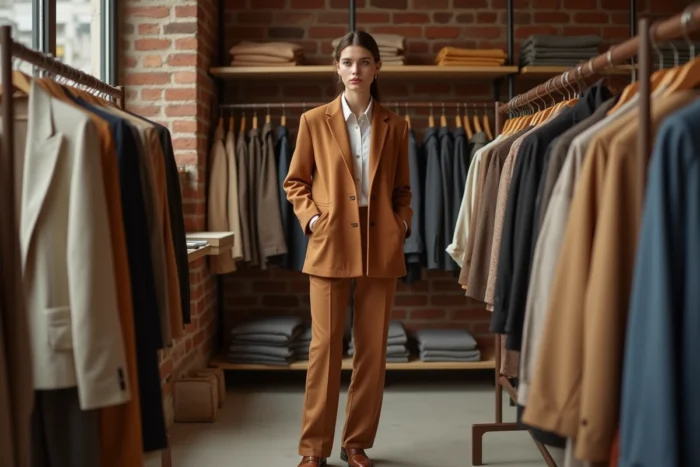
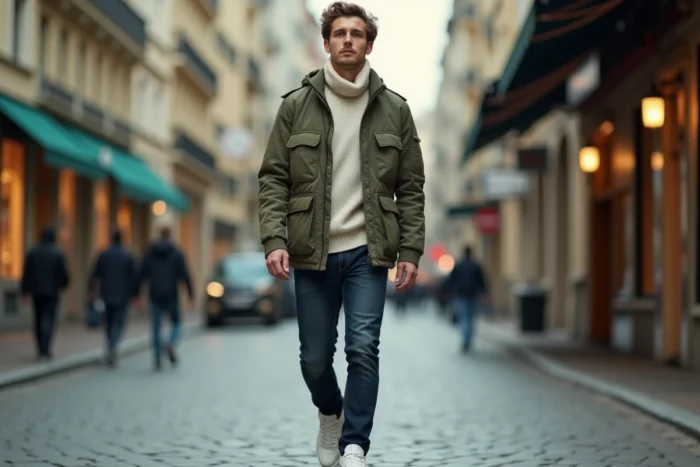
The logic is simple: wearing a single color throughout the outfit creates a long and immediately recognizable silhouette. When this color is cobalt blue, butter yellow, or intense olive green, the result stands out effortlessly without complex coordination.
Choosing your palette according to the context
Not all colors work in every environment. Pastel tones (lavender, powder pink) are better suited for daytime and casual contexts. Saturated shades (deep red, midnight blue) adapt to more formal situations.
- Warm and bright colors like yellow or orange are suitable for light spring pieces, worn alone
- Saturated cool tones (cobalt, emerald) work well on wide trousers as well as on a long flowing dress
- Pastels require fairly dense materials to avoid a washed-out effect, especially on knitwear
The classic trap of monochrome remains flat uniformity. To avoid this, playing with different textures within the same shade adds depth: a linen pant with a ribbed knit top in the same green, for example.
Sculptural accessories and heels: structuring style through details
The accessories of this season are not decorative. They are architectural. The sculptural design bag, with rigid geometric shapes or asymmetrical volumes, replaces the soft and discreet models that have dominated for several seasons.
This return to clean lines is also found in shoes. Heels are making a comeback as a central piece of the wardrobe, after several years of dominance by sneakers and flat sandals. Their presence in recent runway shows reflects a movement towards a more assertive look.
Creating a look with structured pieces
The mistake would be to multiply strong accessories. A sculptural bag is enough if the rest of the outfit remains understated. Conversely, marked-line heels elevate a simple outfit (straight jeans and a shirt) to a more dressed-up level.
- One strong personality accessory per outfit avoids visual overload
- Rigid bags work better with fluid clothing, contrasting volumes
- Heels elongate the silhouette and naturally pair with structured wide trousers, another strong piece of the season
Sustainable fashion and regulatory framework in France: what is changing concretely
Adopting a unique style this season is not just about choosing the right pieces. The French legislative context is gradually changing purchasing conditions. The proposed law on fast fashion includes a ban on advertising starting January 1, 2027 for the companies concerned, along with financial penalties.
This framework encourages ready-to-wear brands to enhance the quality of materials and the durability of finishes. For consumers, this means that pieces with high added value (crafted textures, structured cuts, durable accessories) become a more rational choice than the accumulation of fast-fashion garments.
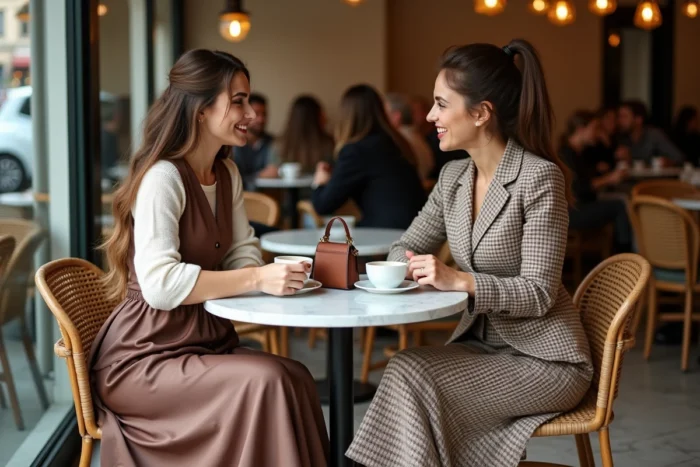
Building a wardrobe around a few identifiable pieces, rather than following every micro-trend, aligns with both the demand for style and the direction taken by regulation. Fewer clothes, better chosen, worn longer: this logic resonates both aesthetically and practically.
The distinctive style of this season ultimately comes down to a handful of targeted decisions. A textured material, a color held throughout the silhouette, a strong-line accessory. The rest is noise.