
The name change on an easyJet ticket follows specific technical rules that vary depending on the nature of the modification, the channel used, and the timing of the request. Mastering these distinctions avoids additional costs and, in the worst-case scenario, a boarding denial.
Spelling correction and passenger transfer: two distinct regimes at easyJet
easyJet formally distinguishes between two operations that passengers often confuse. The minor error correction (a maximum of three characters, inversion of first name/last name, missing accent) is a simple administrative correction. It is done free of charge via the online account or the app, provided it is done before check-in.
The ticket transfer to another passenger is a different operation. It involves the complete replacement of the identity associated with the reservation. This transfer incurs fees and is not available on all fare types. The confusion between these two regimes causes the majority of disputes we observe on specialized forums.
To delve deeper into the complete procedure and the pricing details for each scenario, a dedicated guide on easyJet name change and procedures outlines each step with the applicable amounts.
The three-character limit
easyJet’s policy sets the limit for free correction at three modified characters. Beyond that, the company considers it a passenger change, even if the traveler remains the same. A last name with a four-letter error (such as incorrect phonetic transcription) automatically falls into the paid category.
We recommend checking the name on the booking confirmation as soon as it is received. The reaction time determines the final cost.

easyJet name change fees: what determines the amount
The cost of a name change at easyJet depends on three combined variables.
- The request channel: an online modification costs less than a call to customer service. Phone processing includes additional management fees.
- The timing of the modification relative to departure: the later the request, the higher the additional cost. The most advantageous window is several weeks before the flight.
- The type of fare booked: passengers who have opted for a FLEXI fare or the easyJet Plus program enjoy more flexible conditions, with modifications sometimes included in the package.
The price difference between channels (online vs phone) is significant. For the same correction, going through the call center can represent a notable additional cost compared to the web interface.
FLEXI fare and easyJet Plus: what real exemptions
The FLEXI fare allows modifications without additional fees under certain conditions, but transferring the name to a third party still incurs fees even for these passengers. The easyJet Plus program offers more flexibility, but does not guarantee free identity modifications.
The nuance is technical: changing the date without fees does not mean changing the name without fees. These two operations fall under distinct policies in the easyJet booking system.
Boarding denial due to name non-compliance: the real risk
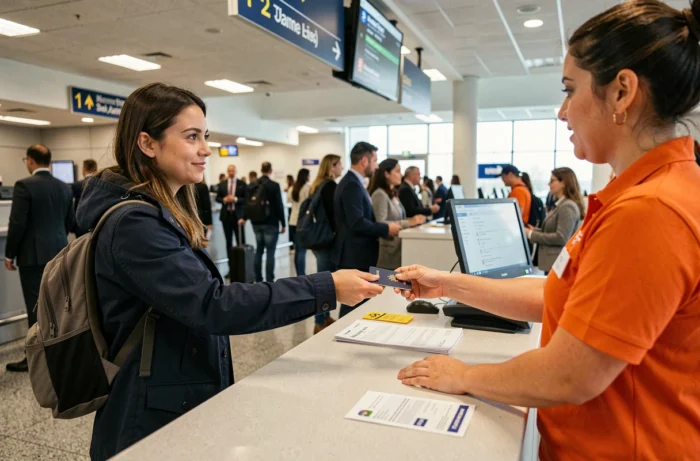
A ticket name that does not match the identity document presented at the airport can lead to a boarding denial. This scenario, far from theoretical, regularly affects passengers who have overlooked a typing error or used a different name than the one on their passport.
Ground checks apply variable tolerance depending on the airports and agents. A missing accent usually passes. An inversion of first name/last name generates more friction, especially on international flights where security systems cross-check APIS (Advanced Passenger Information System) data.
Recent legal analyses remind us that boarding denial, even related to a compliance issue, may fall under European Regulation CE 261/2004. This text provides a right to compensation in certain cases of boarding denial. However, the case law remains nuanced: if the passenger is responsible for the error on their ticket, the airline can invoke this negligence to deny compensation.
European regulatory evolution on minor name corrections
At the European Union level, a project to strengthen air passenger rights aims to protect travelers from being charged fees for minor name corrections. Inversions of first name/last name, obvious spelling mistakes, missing accents: these corrections could become mandatory free for all airlines operating in Europe.
This regulatory evolution directly targets the practices of low-cost airlines. Legal experts specializing in aviation law emphasize that European airlines will soon no longer be able to charge for certain name corrections, thus aligning practices with the principle of proportionality already enshrined in consumer law.
For easyJet, this means a likely revision of the pricing policy on minor corrections. Passengers who have already paid for this type of correction could, in the long run, have recourse.
Documents required for a name change
Depending on the reason for the change, easyJet may require supporting documents:
- Marriage or divorce certificate for a change of civil status
- Copy of a valid passport or identity card
- Official certificate in case of name change by administrative means
The absence of valid documentation blocks the procedure. Processing can take several business days when it goes through customer service, which reinforces the importance of acting early.
The European regulatory framework is evolving in favor of passengers, but easyJet’s current policy remains in effect until the new provisions are transposed. Checking the exact spelling of the name at the time of booking remains the best protection against avoidable fees or a boarding denial on the day of departure.